The Strategic Edge of Direct Alarm Suppliers: Optimizing Bulk Procurement for Mission-Critical Security Deployments
I. Introduction
Imagine this: a global retail chain is rolling out a new security system across 500 stores in multiple countries. They plan to equip each site with intrusion detection, motion sensors, panic alarms, and networked monitoring tied into a central command center. But weeks after placing an order, shipments from various distributors are delayed, components arrive in mismatched batches, and installation teams discover inconsistent firmware versions — all resulting in project delays, budget overruns, and security vulnerabilities during the interim.
For mission-critical environments — whether sensitive infrastructure, banking networks, warehouses, or large residential communities — such uncertainty is unacceptable.
This is where direct alarm suppliers come into play. A “direct alarm supplier” refers to a manufacturer that sells burglar alarm systems and related security equipment directly to buyers, bypassing traditional intermediaries and distributors. By sourcing directly from manufacturers like Athenalarm, bulk buyers gain greater control, consistency, and efficiency.
In this article, we argue that partnering with direct alarm suppliers offers decisive strategic advantages — especially for large-scale, critical security deployments — in terms of cost-efficiency, customization, supply-chain reliability, technical support, and risk management. We will explore how direct alarm suppliers differ from traditional distributors, why they are increasingly vital, and how procurement professionals can effectively engage them for complex, multi-site deployments.
We will cover:
- The evolving role and attributes of direct alarm suppliers in modern security ecosystems
- The core benefits for large-scale projects
- How direct alarm suppliers enable deep customization and integration
- Risk reduction and supply-chain resilience
- A comparison with traditional distributors, and when to favor each model
- Global trends shaping demand for direct alarm suppliers
- Practical guidelines for engaging direct alarm suppliers with confidence
II. Understanding the Role of Direct Alarm Suppliers in Modern Security Ecosystems
From Distributor-Based Models to Direct Sourcing
Traditionally, many buyers of burglar alarms and security systems have relied on regional distributors or wholesalers. Distributors stock standard product lines, handle logistics and marketing, and supply systems to local integrators or end-users. While this model works for small-scale orders, it often struggles when projects scale up: stock may be limited, product configurations inflexible, and lead times unpredictable.
In contrast, direct alarm suppliers bring a vertically integrated model: they combine manufacturing, R&D, quality control, and export capabilities within one organization. This model has emerged as a compelling alternative for large-scale and mission-critical deployments. Athenalarm, for example, was founded in 2006 and has since developed full in-house capability — from design to production to direct export — offering burglar alarm panels, sensors, network alarm systems, and central alarm-monitoring solutions.
This shift toward direct sourcing reflects broader trends in global supply chains: buyers increasingly value reliability, consistency, and end-to-end control — not just product availability, but also quality assurance, customization, and worldwide export readiness.
Core Attributes of Reliable Direct Alarm Suppliers
Not all suppliers that claim to be “direct” are equal. From industry experience and supplier best practices (as exemplified by Athenalarm), reliable direct alarm suppliers typically share:
- Full in-house manufacturing and R&D: From control panels to PIR sensors, detectors, and monitoring software, all developed and produced within the supplier’s facility.
- Strong quality control and certification compliance: For instance, Athenalarm emphasizes ISO 9001, CCC certification, and 100% functional testing before shipment.
- Global export experience and OEM/ODM flexibility: Direct alarm suppliers serving international buyers are often capable of tailoring firmware, casing, manuals, and integration features for local standards and languages.
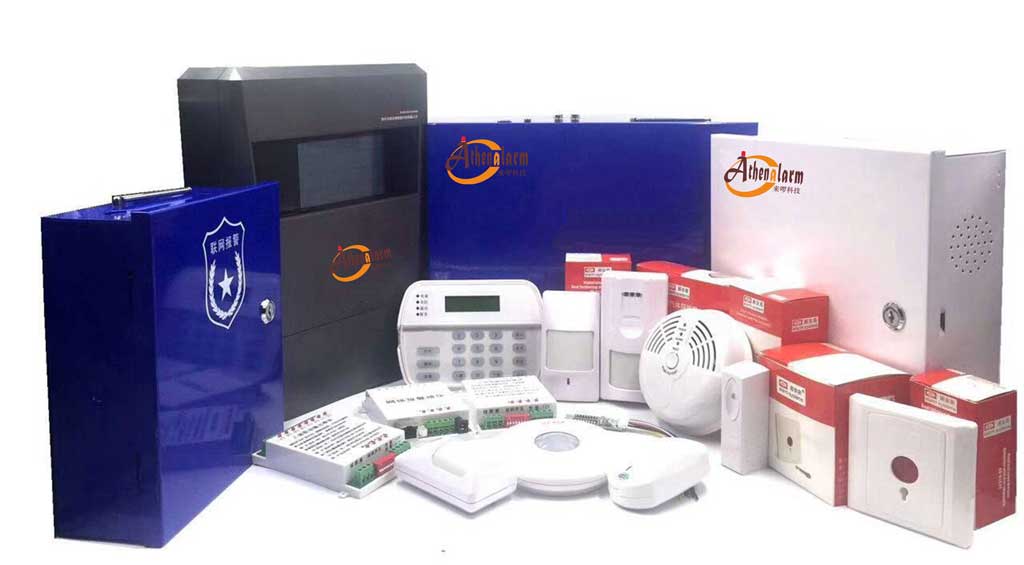
- Integrated product range: Alarm panels (wired, wireless, network/CCTV-enabled), variety of sensors (PIR motion, door/window contacts, smoke/gas detectors, vibration detectors, panic buttons), as well as alarm management software for centralized monitoring and remote notifications.
- Support for large-volume orders with scalable logistics and export-ready packaging: Direct suppliers often have logistics infrastructure, established shipping channels, and experience handling international bulk orders.

These attributes align directly with the needs of bulk purchasers: large project scale, multi-site deployments, strict quality assurance, and integration demands.
Aligning with Bulk Procurement Needs
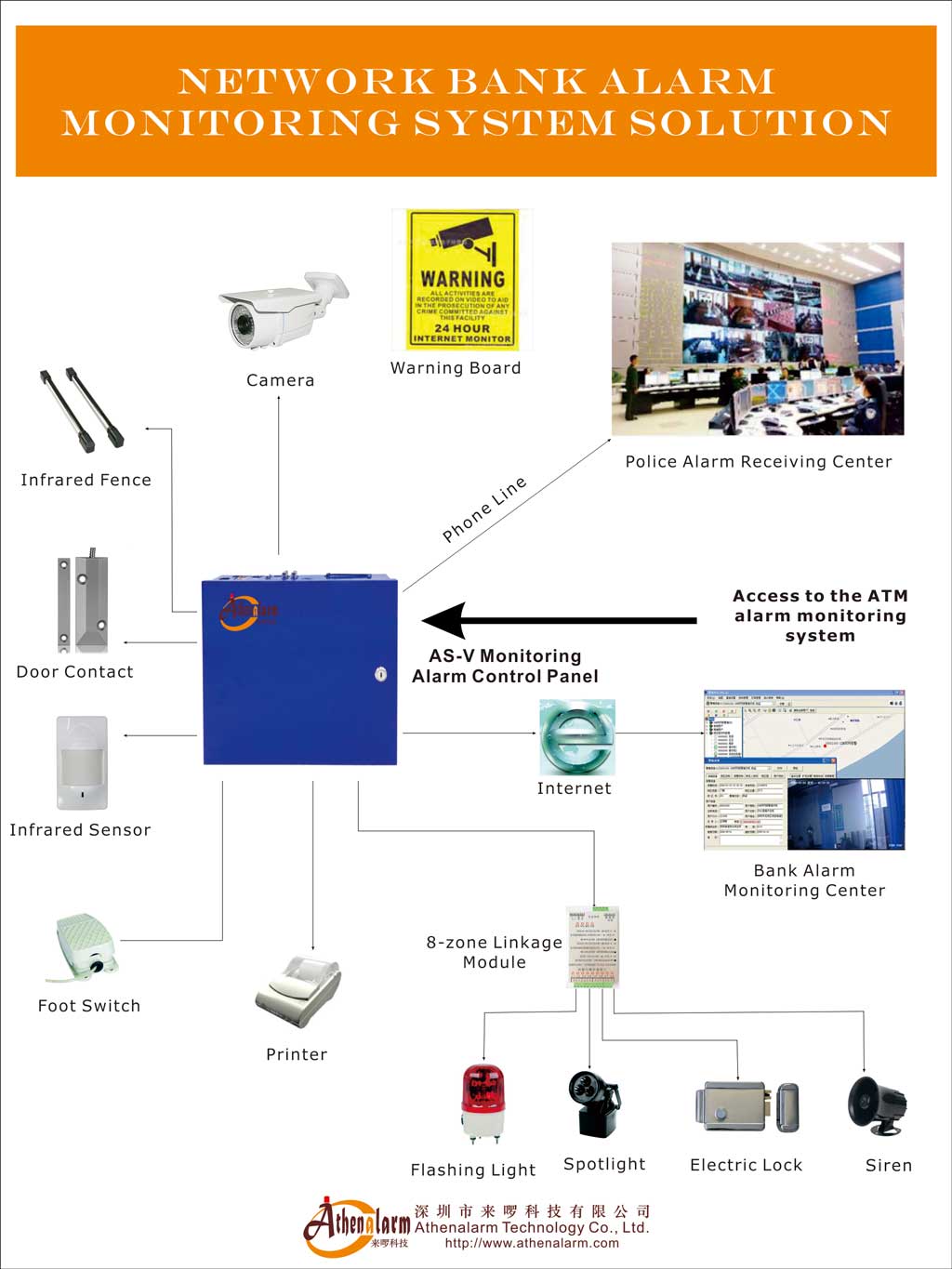
Large-scale installations — banks, retail chains, warehouses, industrial parks, residential communities, and government facilities — typically require hundreds or thousands of units. They also often need integrated systems rather than standalone alarms: intrusion detection, fire/gas detection, CCTV/video verification, and centralized monitoring. Direct alarm suppliers are uniquely positioned to serve these needs because they can deliver integrated solutions, customized to project specifications, under consistent quality standards and with reliable global shipping.
Thus, in the context of bulk procurement, terms such as bulk alarm suppliers, security alarm suppliers, direct security suppliers, alarm system suppliers, and intrusion alarm suppliers become effectively interchangeable — all pointing toward manufacturers offering end-to-end solutions directly to buyers.
III. Benefits of Partnering with Direct Alarm Suppliers for Large-Scale Projects
Cost Efficiencies and Better Pricing
One of the most tangible advantages of sourcing from a direct alarm supplier is cost savings. By eliminating multiple layers of mark-ups (distributors, wholesalers, regional agents), buyers often realize 20–30% or more in savings per unit. For high-volume orders, these savings compound significantly. Moreover, direct suppliers often offer volume-based pricing, meaning larger orders receive greater discounts, making bulk procurement far more economical than piecemeal buying through distributors.
In addition, shorter lead times and more predictable delivery schedules help reduce project overhead. With a direct relationship, procurement teams avoid the uncertainty of distributor stockouts or delays.
Scalability and Operational Reliability
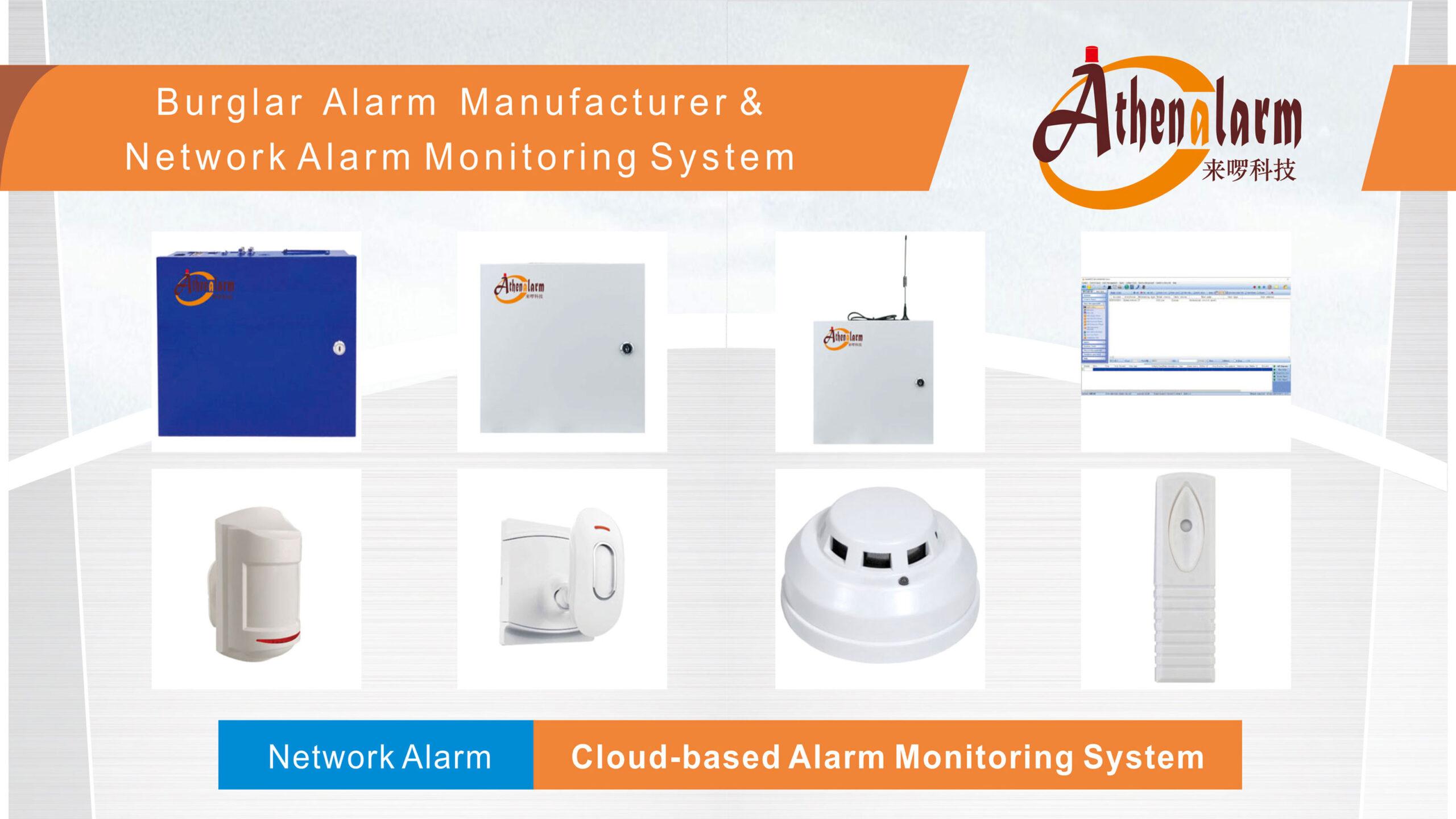
Direct alarm suppliers deliver integrated solutions that scale gracefully across many sites. For instance, a supplier may provide a mix of wired and wireless burglar alarm panels, network-enabled monitoring systems, and a full suite of sensors and detectors — suitable for banks, warehouses, residential communities, or retail chains. Athenalarm’s portfolio includes these exact elements.
Such scalability is vital when a project spans dozens or hundreds of locations. Because the supplier controls manufacturing and quality assurance, buyers can expect consistent product performance across all sites — critical in mission-critical deployments (e.g., banking branches, infrastructure facilities, or industrial complexes).
Enhanced Technical Support and Lifecycle Services
Beyond just hardware — direct suppliers often provide robust technical and after-sales support. This can include system design assistance, installation guidance, troubleshooting, firmware updates, and long-term maintenance support. For large deployments, that level of support dramatically reduces risk of installation errors or system failures.
In the case of Athenalarm, they publicly emphasize global technical support, OEM/ODM customization, and a full product range including panels, sensors, detectors, and network alarm monitoring systems.
This comprehensive support makes the difference between a handful of alarms cobbled together, and a unified, professionally managed security infrastructure.

Real-World Suitability for Mission-Critical Environments
Direct alarm suppliers are particularly well-suited for environments where reliability, redundancy, and response time are mission-critical: banks, airports, government facilities, data centers, warehouses, large residential complexes, and critical infrastructure sites.
For example, using network alarm monitoring systems combined with CCTV allows real-time video verification when an intrusion or alarm event occurs. This reduces false dispatches and ensures quick, accurate response. Suppliers like Athenalarm build such full-stack solutions — alarm control panels, sensors, and centralized monitoring software — tailored for enterprise-level security.
Large deployments also benefit from components like wired/wireless hybrid control panels, dual-path communication (4G, TCP/IP, wired), and scalable sensor zoning — features that only robust suppliers with design-and-manufacture capabilities can provide reliably.
IV. How Direct Alarm Suppliers Enhance Customization in Security Systems
A major differentiator for direct alarm suppliers is their OEM/ODM capabilities. This allows bulk buyers to obtain security solutions tailored to their precise needs — from hardware design to firmware, packaging, branding, and even installation parameters.

Custom Hardware, Firmware, and Private Labeling
Direct suppliers like Athenalarm offer customization of casings, firmware, labeling, packaging, and manuals. This is critical in multinational projects where local standards, languages, or branding requirements vary. For instance, a European retail chain might need CE-compliant labeling and EU-language manuals; a Middle Eastern hotel group may require Arabic instructions and regional power compliance; an African integrator may want rugged, dust/humidity-resistant casings.
Such flexibility also enables buyers to deploy under their own brand — useful for integrators or resellers bundling the alarm systems with their own service offerings.
Rich Component Options: Sensors, Detectors, Voice Alerts
Direct alarm suppliers typically provide a full suite of components beyond just control panels:
- PIR motion sensors with adjustable sensitivity and anti-false-alarm logic (e.g., temperature compensation, anti-interference) suitable for varied environments.
- Door/window contacts, vibration detectors, gas and smoke detectors, panic buttons, sirens or strobes, and remote controllers.
- Voice-alert devices (e.g., MP3 voice reminders) integrated with alarm triggers — useful for retail, hospitality, or multi-language installations.
Such a comprehensive portfolio enables bulk buyers to create tailored security zoning and coverage — from perimeter and access control to environmental hazards — all from a single supplier.
Advanced Integrations: CCTV, Network Monitoring, Remote Management
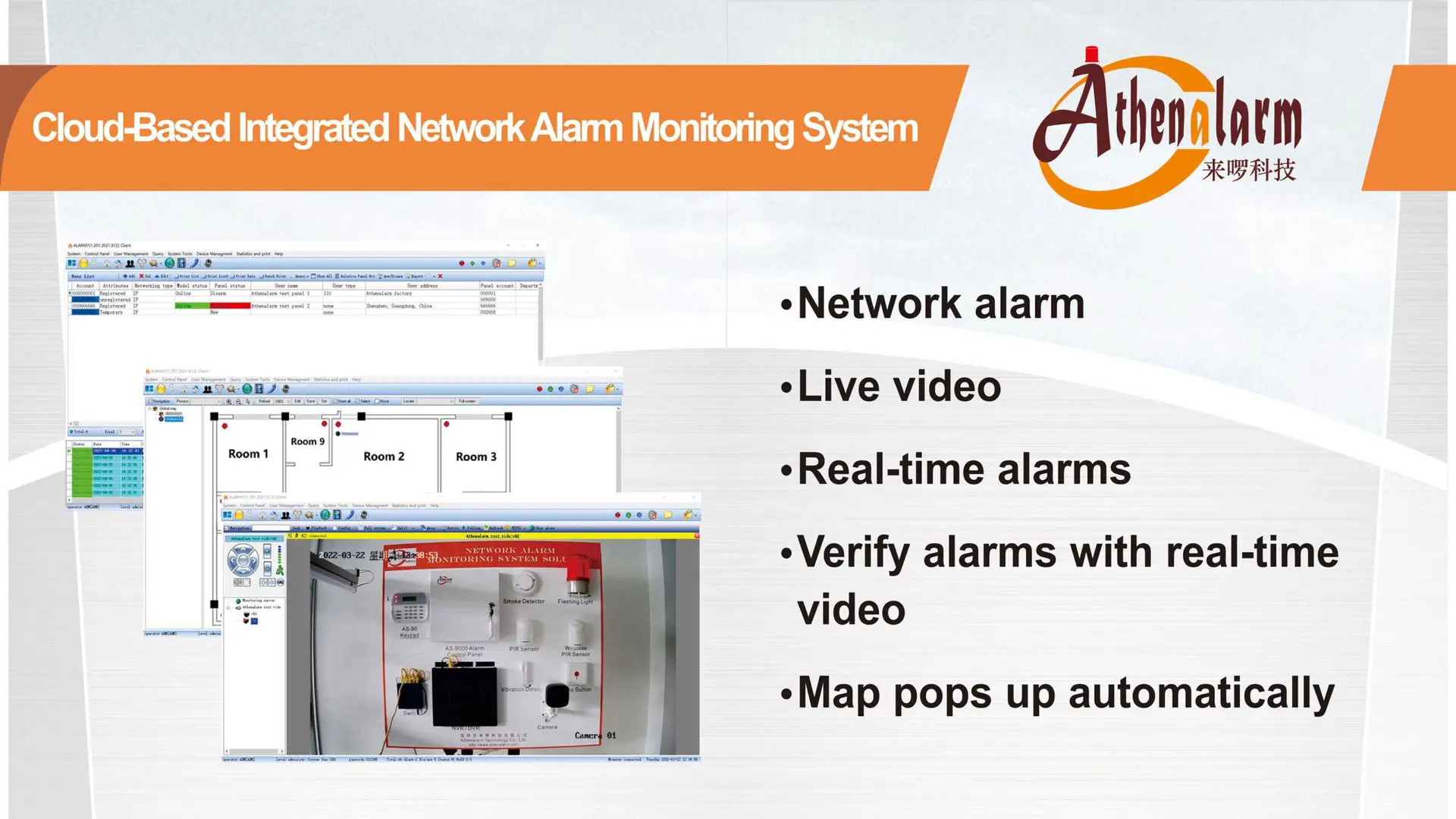
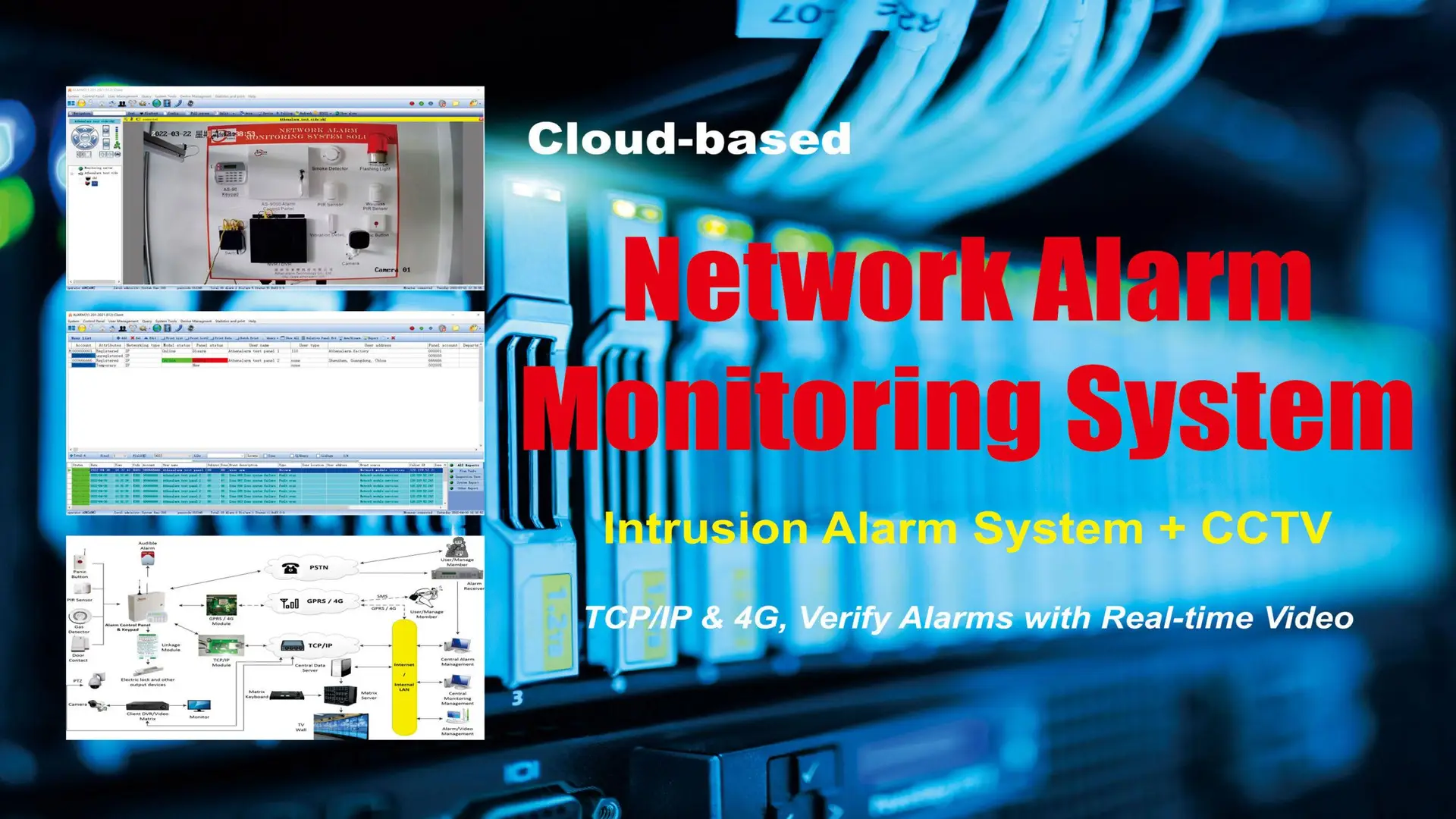
Modern security deployments often require more than standalone alarms; they demand integrated systems combining intrusion detection, video surveillance, centralized monitoring, and remote management. Direct alarm suppliers are increasingly offering such integrated solutions. For example, Athenalarm’s “network alarm monitoring system” merges intrusion alarms with CCTV, delivering real-time video verification on event triggers — ideal for centralized monitoring centers.

For bulk buyers — whether a hotel group, commercial chain, or manufacturing campus — such integrations reduce complexity, ensure compatibility, and speed up rollout by avoiding the need to source components from multiple vendors.
V. Choosing Direct Alarm Suppliers to Reduce Supply-Chain Risks
Large-scale procurement is fraught with supply-chain risks — delays, quality inconsistencies, mismatch between ordered and delivered items, certifications not valid in target markets, and long-term maintenance challenges. Direct alarm suppliers help mitigate many of these risks.
Common Risks in Traditional Distributor-Based Procurement
- Distributor delays or stockouts: Distributors may have limited stock, especially for customized or rarely ordered items, causing lead-time unpredictability.
- Quality inconsistencies: Without direct oversight, components may come from multiple sub-suppliers, leading to variability in performance or reliability across units.
- Certification and compliance issues: Products sourced via distributors may lack up-to-date certifications (CCC, CE, ISO, etc.), or may not meet local regulatory requirements — a serious problem for installations in regulated sectors.
- Post-sale support fragmentation: Maintenance, firmware updates, or support may require third-party intermediaries, causing delays or system downtime.
How Direct Sourcing Reduces These Risks
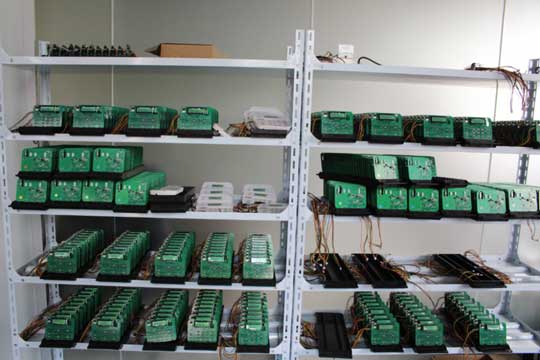
By purchasing directly from the manufacturer, buyers gain:
- Full visibility and control over production: The supplier ensures consistent quality across all units, performing functional testing, QC processes, and certification compliance before export. Athenalarm claims 100% functional testing before shipment and compliance with ISO9001 and CCC standards.
- Predictable lead times and logistics: Direct suppliers handle export logistics themselves and often have experience shipping bulk orders internationally. This reduces risk of delays or mis-shipment.
- Better after-sales and long-term support: Manufacturers can directly provide firmware updates, replacement modules, or maintenance support — avoiding the “telephone game” that sometimes occurs with multiple intermediaries. Athenalarm emphasizes global technical support and long-term maintenance services.
- Compliance assurance: Direct suppliers familiar with export regulations can ensure that products meet required standards in target markets — reducing regulatory risk for buyers deploying in multiple countries.
For bulk buyers installing mission-critical alarm systems across diverse sites and jurisdictions, this level of control and reliability is indispensable.
VI. Direct Alarm Suppliers vs. Traditional Distributors for Bulk Buyers
Here is a comparative view of the two approaches:
| Aspect | Direct Alarm Suppliers | Traditional Distributors |
|---|---|---|
| Cost Structure | Typically lower — no intermediary mark-ups, volume discounts for bulk orders | Higher — mark-ups at each distribution layer; limited volume discounting |
| Customization / Flexibility | High — OEM/ODM, custom firmware, private labeling, tailored integrations (alarm + CCTV + software) | Limited — usually standard product lines; customization difficult or unavailable |
| Lead Times & Supply Predictability | Shorter and more predictable — direct manufacturing and export logistics | Less predictable — dependent on distributor stock, import cycles, and regional logistics |
| Technical & After-Sales Support | Strong — access to design, installation guidance, troubleshooting, firmware updates, maintenance | Variable — depends on distributor’s resources; support may be limited or outsourced |
| Quality Control & Compliance | Better — direct QC, testing, certifications (ISO, CCC, CE, etc.) guaranteed by manufacturer | Risk of variation — products may come from different sub-suppliers; certification may be unclear or inconsistent |
| Risk Management for Multi-Site Projects | Low risk — standardized units, consistent quality, better integration control | Higher risk — inconsistent components, delivery delays, fragmented support |
Pros and Cons — Balanced View
Pros of Direct Suppliers
- Economies of scale lead to lower total cost of ownership for large deployments.
- Flexibility to meet project-specific requirements and regulatory standards across regions.
- Simplified logistics, consistent quality, and centralized technical support.
- Better suited for complex, integrated security systems combining alarms, detectors, CCTV, and monitoring software.
Potential Challenges / Considerations
- Direct suppliers may require minimum order quantities that are high, which may not suit small projects.
- Buyers must assess supplier certifications, export experience, and post-sale support capacity.
- For very small or one-off installations, distributors may still be simpler and more cost-effective.
Recommendation for Bulk Buyers
For security integrators, system contractors, facility managers, or procurement teams overseeing multi-site or large-scale deployments — especially in sectors like banking, retail chains, government facilities, warehouses, or residential communities — direct alarm suppliers should be top choice. They offer cost efficiency, scalability, customization, and control — essential for mission-critical security rollouts that demand uniform performance, integration, and reliability.
VII. Global Trends in Direct Alarm Suppliers for Intrusion Detection
Growing Demand Driven by Security Needs & Globalization
Global demand for alarm systems continues to expand, driven by increased security concerns, urbanization, and investment in infrastructure and commercial real estate. The broader alarm system market — including home burglar alarms, commercial intrusion alarms, and integrated security solutions — is projected to grow significantly over the coming years.
Within this context, direct alarm suppliers (especially export-oriented ones) are becoming more central: buyers in emerging markets often seek cost-effective, reliable, and scalable solutions — something direct manufacturers are well-positioned to deliver.
Technological Advancements: Smart, IoT-Enabled, AI-Driven Alarm Systems
Security technology has evolved rapidly. Modern alarm systems are no longer limited to simple motion sensors and sirens. They now include networked panels with 4G/TCP-IP communication, software-based alarm monitoring centers, CCTV integration for video verification, cloud-based remote management, and smart sensors that reduce false alarms. Athenalarm itself positions its systems toward this “network alarm monitoring” model — combining intrusion alarms with CCTV, remote monitoring, and centralized management.
By 2026 and beyond, many alarm installations — even for SMEs — will adopt wireless or hybrid IoT-enabled systems, app-based remote monitoring, AI-enhanced intrusion detection, and integrated CCTV verification. Direct alarm suppliers with in-house R&D are best equipped to deliver these innovations at scale while remaining cost-competitive.
Broader Adoption Across Sectors
Direct alarm suppliers are enabling adoption across many sectors: banks, residential communities, warehouses, retail chains, healthcare facilities, government buildings, hotels, and industrial sites. As security becomes a universal concern — particularly in regions facing rising property crime, industrial theft, or regulatory scrutiny — buyers increasingly prefer scalable, integrated alarm solutions supplied directly from manufacturers. Athenalarm claims a wide range of applications including banks, airports, warehouses, hospitals, hotels, commercial buildings, residential communities, and more.
Future Outlook: Sustainability, Predictive Maintenance, and Global Export Readiness
Looking ahead, direct alarm suppliers are likely to evolve in several important ways:
- Sustainable manufacturing: As global procurement standards tighten, buyers may favor suppliers using eco-friendly components, energy-efficient hardware, and recyclable materials.
- Predictive maintenance & remote diagnostics: Cloud-connected alarm systems with self-diagnostic capabilities can alert maintenance teams before failures occur — reducing downtime and enhancing reliability.
- Standardization for global export: Suppliers will increasingly offer multi-standard compliance (CE, FCC, CCC, etc.), multilingual documentation, and modular systems that adapt to different regional requirements — making cross-border bulk procurement smoother.
- Integration with broader security ecosystems: Alarm systems will further integrate with access control, building automation, IoT devices, and smart infrastructure — transforming from stand-alone alarm units into holistic security platforms.
In this evolving landscape, direct alarm suppliers will likely become the dominant source of bulk security systems — especially for international buyers and large-scale deployments.

VIII. Practical Steps for Engaging with Direct Alarm Suppliers
For procurement professionals or integrators considering direct alarm suppliers for bulk deployment, here’s a practical guideline:
- Define Project Requirements and Scope Clearly
- Identify the type of sites (banks, warehouses, hotels, communities, etc.), number of units per site, and total number of sites.
- Determine required components: intrusion detection (motion sensors, door contacts, glass break detectors), environmental detectors (smoke, gas), control panels (wired, wireless, network), CCTV/video verification needs, central monitoring software, communication channels (4G, TCP/IP, PSTN), remote monitoring, etc.
- Consider regional compliance requirements (certifications, documentation, labeling, language, power standards).
- Shortlist Suppliers With Proven Track Records and Export Capability
- Look for suppliers with in-house manufacturing, R&D, and QC processes.
- Check for certifications: quality management, compliance with relevant standards (ISO, CCC, CE, etc.). Athenalarm, for example, declares ISO9001 and CCC compliance.
- Confirm export experience and logistics capacity: ability to handle large orders, international shipping, documentation, and customs support.
- Evaluate Supplier Flexibility (OEM/ODM) and Customization Potential
- Assess whether the supplier offers private-labeling, firmware customization, custom casings, multilingual manuals, and support for region-specific requirements. Athenalarm publicly promotes OEM/ODM capabilities.
- Discuss integration capabilities — e.g., combining alarms with CCTV, remote monitoring, central management software.
- Request Pilot Orders or Sample Kits
- For large-scale rollouts, always begin with a pilot — a small number of units installed at a representative site.
- Validate performance: sensor reliability, false alarm rate, installation ease, software usability, compatibility with local infrastructure.
- Test supply-chain responsiveness: shipping times, documentation, packaging, customs, and after-sales support.
- Formalize Bulk Procurement Process
- Negotiate volume discounts, shipping terms, lead times, after-sales support, firmware update policies, warranty conditions, and spare parts availability. Athenalarm — for instance — supports sample orders, 7-day return window, 1-year warranty, and lifetime technical support.
- Plan phased rollout: maybe prioritize high-risk sites first (e.g., bank branches), then gradually expand to all sites once system stability is confirmed.
- Monitor Performance, Maintain Relationship, and Plan Future Scaling
- After deployment, track alarm events, false alarms, maintenance cycles, downtime, and system responsiveness.
- Work with the direct supplier to refine configurations, supply spare parts, firmware updates, and plan for future expansions or upgrades.
- Maintain a long-term partnership — direct suppliers often value repeat bulk clients and may offer better terms for successive orders.
By following these steps, procurement teams can maximize value, minimize risk, and ensure mission-critical security deployments succeed efficiently and reliably.

IX. Conclusion
In a world where security threats are evolving, and deployments increasingly span multiple sites across regions, the traditional model of buying alarm systems through distributors is no longer sufficient. The complexity, scale, and criticality of modern security demands require a new procurement paradigm — one grounded in direct sourcing from alarm system manufacturers.
Direct alarm suppliers like Athenalarm offer a strategic edge: cost-efficiency, large-scale scalability, deep customization, robust quality control, and integrated solutions combining intrusion detection, environmental sensors, and network-based monitoring. For bulk buyers — banks, retail chains, residential communities, industrial sites, and infrastructure projects — this model delivers consistency, reliability, and long-term value.
As global trends push toward IoT-enabled smart security, centralized monitoring, and holistic security ecosystems, the importance of direct alarm suppliers will only grow. Buyers who engage with certified, experienced, export-ready manufacturers stand to benefit most: faster rollouts, lower total cost of ownership, better compliance, and stronger security assurance.
If you’re a security integrator, system contractor, or procurement leader responsible for large deployments, consider partnering with direct alarm suppliers — request a pilot, vet their credentials, and build a long-term procurement strategy. For detailed product specs, export pricing, and customization options, you may explore Athenalarm’s offerings at athenalarm.com — and take a significant step toward building secure, scalable, and future-proof security infrastructure.