Navigating Global Compliance: Key Certifications and Standards for Burglar Alarm Equipment Suppliers in 2026
In an era defined by rapidly evolving security threats, digital transformation, and increasingly complex supply chains, compliance has become one of the most critical factors for bulk purchasers of security systems. For burglar alarm suppliers, meeting international standards and certifications isn’t just a regulatory box to tick—it’s a strategic advantage that affects product quality, interoperability, market access, liability exposure, and long-term ROI.
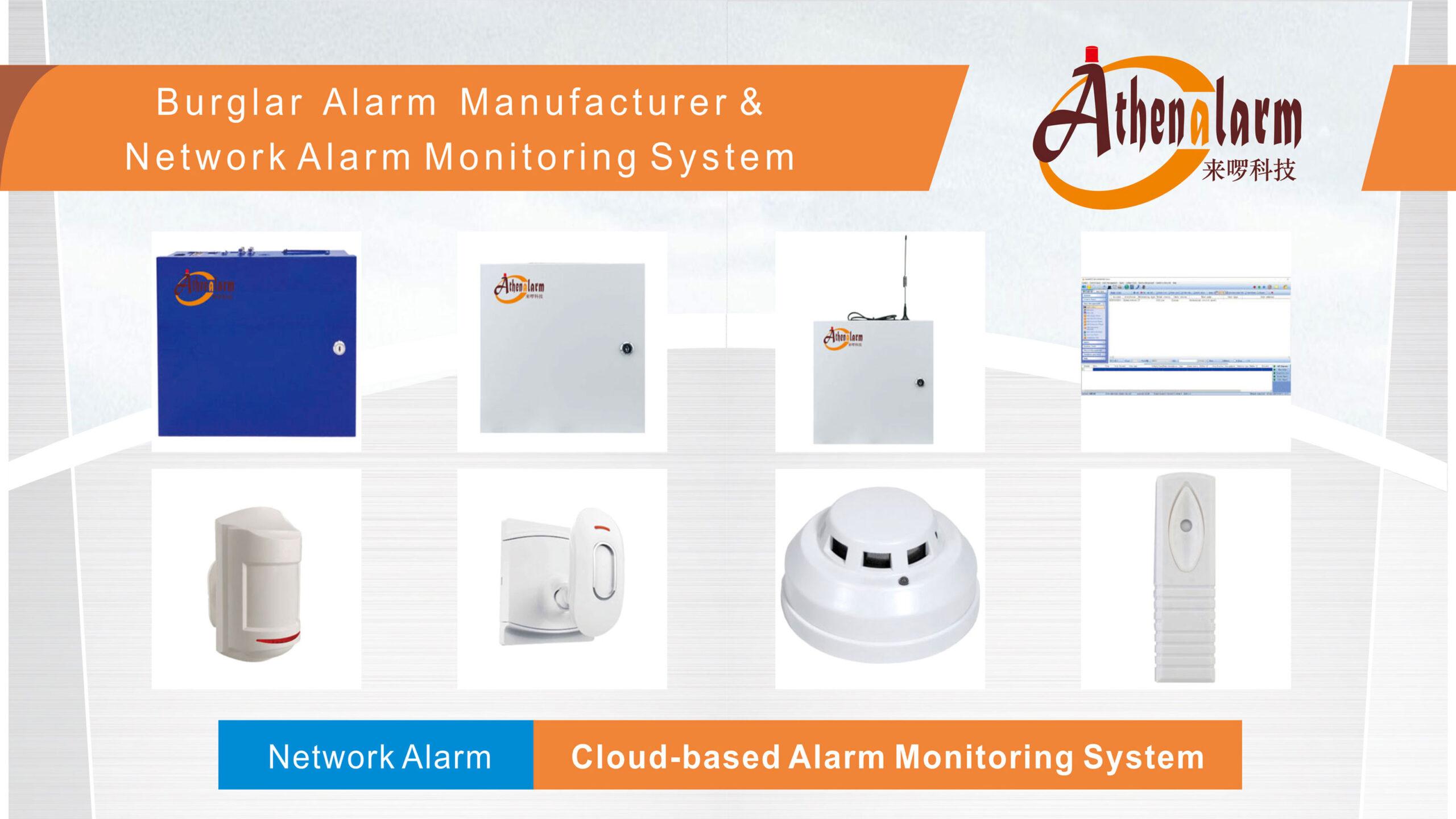
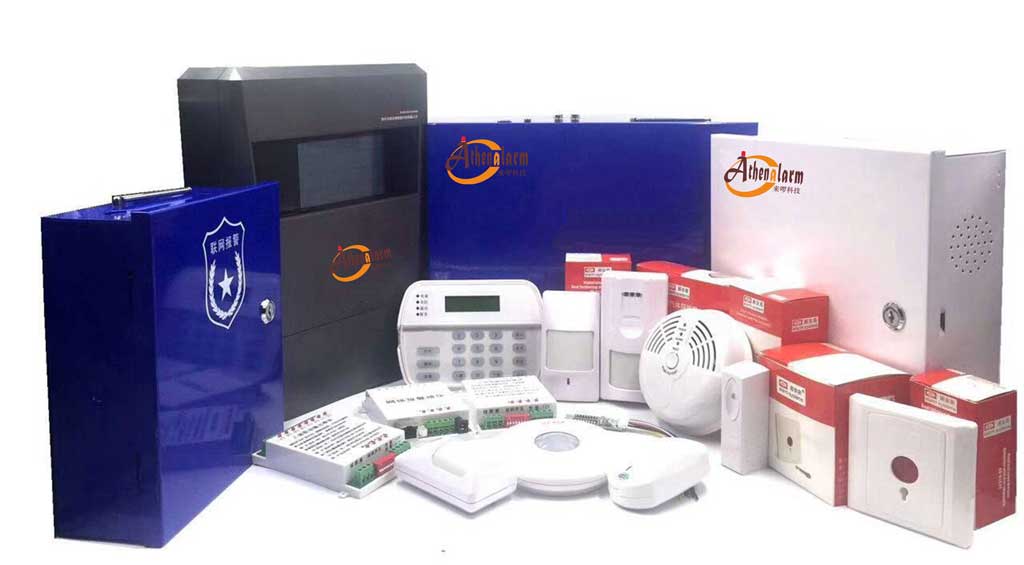
This article provides an in-depth professional guide for procurement teams evaluating burglar alarm equipment suppliers in 2026. We explore essential certifications, regional variations in standards, evaluation frameworks, real-world implications of non-compliance, and future trends that will shape the industry. Along the way, we reference tangible examples from suppliers like Athenalarm, a professional burglar alarm manufacturer with export experience and certified quality processes.
I. Why Compliance Matters for Burglar Alarm Suppliers and Buyers
Today’s security landscape is more interconnected—and more regulated—than ever. As alarm systems move beyond simple detection hardware to integrated IoT platforms with cloud connectivity and remote monitoring, regulators worldwide are pushing requirements that touch on safety, performance, electromagnetic compatibility, environmental impact, and cybersecurity.
For procurement leaders, choosing burglar alarm suppliers that hold and continuously update relevant certifications delivers measurable value:
-
Improved product quality and reliability, reducing field failures and support costs.
-
Faster customs clearance and smoother exports, especially when entering highly regulated regions like the EU and North America.
-
Lower legal and reputational risk, critical when deploying systems in high-value commercial or institutional deployments.
-
Enhanced interoperability and integration, especially across large, distributed infrastructures.
These advantages directly benefit business outcomes in verticals tied to enterprise-scale installations—such as banking, retail chains, healthcare campuses, and industrial facilities—where equipment failure can have severe safety and financial consequences.
II. Core Certifications Every Burglar Alarm Equipment Supplier Should Hold
- ISO 9001 – Quality Management Systems
What it is: ISO 9001 certifies that a supplier’s quality management system (QMS) meets globally recognized principles focused on process consistency, continuous improvement, and customer satisfaction.
Why it matters: For bulk buyers, ISO 9001 demonstrates disciplined manufacturing processes. Suppliers with ISO 9001 typically exhibit:
-
Consistent functional testing protocols.
-
Robust traceability across manufacturing and design changes.
-
Lower defect rates and stronger reliability performance.
Practical impact: Procurement teams can expect predictable product quality, essential for large site rollouts where consistency across hundreds of units is mission-critical.
- CE Marking – European Conformity
What it is: CE marking indicates that products comply with EU health, safety, and environmental directives, including electromagnetic compatibility and low-voltage safety.
Why it matters: The CE mark is mandatory for selling burglar alarm systems in the European Economic Area (EEA).
Practical impact: Buyers targeting the EU market avoid customs delays and liability concerns since CE-marked products have passed regulatory scrutiny. It’s particularly relevant for wired and wireless alarm panels and associated peripherals.
- UL Standards – North American Safety Certification
What it is: Underwriters Laboratories (UL) standards are among the most respected safety qualifications for electrical and alarm products in the U.S. and Canada.
Relevant UL standards include:
-
UL 681 – Burglar alarm systems.
-
UL 827 – Central-station alarm services.
Why it matters: UL certification provides independent assurance that systems meet stringent electrical safety and performance requirements.
Practical impact: Bulk buyers in North America benefit from reduced insurance costs and legal exposure when deploying UL-certified equipment.
- FCC Certification – Electromagnetic Compatibility (US)
What it is: The Federal Communications Commission (FCC) regulates radio frequency devices. This includes wireless burglar alarm transmitters and receivers.
Why it matters: FCC approval assures that wireless alarm communications do not interfere with other crucial systems and comply with RF emissions limits.
Practical impact: Buyers deploying wireless GSM/4G/Wi-Fi alarm platforms in North America gain assurance that signals will operate legally and reliably without unintended interference.
- EN 50131 – European Intrusion & Hold-Up Alarm Standard
What it is: EN 50131 is a comprehensive alarm standard applicable across Europe that specifies grading levels (Grades 1–4), testing methods, and performance criteria.
Why it matters: Grading speaks directly to risk tolerance and security performance.
Practical impact: For mission-critical installations—such as data centers, airports, or financial institutions—higher graded systems (e.g., Grade 3 or Grade 4) provide buyers with confidence that equipment meets rigorous operational thresholds.
What they are:
-
RoHS] restricts hazardous substances in electrical products.
-
REACH regulates chemicals and their safe use within the EU.
Why they matter: Environmental compliance is increasingly tied to corporate procurement policies focused on sustainability.
Practical impact: Buyers aligned with environmental, social, and governance (ESG) goals benefit from partnering with suppliers whose components and manufacturing processes limit hazardous materials.
- CCC – China Compulsory Certification
What it is: CCC is China’s mandatory safety and quality certification.
Why it matters: Suppliers manufacturing in China must comply with CCC to legally sell domestically and often to demonstrate compliance in broader Asia-Pacific supply chains.
Practical impact: Global importers, especially those sourcing large volumes from China, find CCC compliance helps streamline Asia-Pacific regulatory navigation.

III. Regional Variations in Standards and Compliance Challenges
Europe
-
Regulatory landscape includes CE, EN 50131, and data privacy laws (e.g., GDPR) where alarm systems integrate network or cloud services.
-
Post-Brexit, UKCA marking is replacing CE requirements for UK market entry.
North America
-
UL and FCC standards define much of the regulatory base, supplemented by state and local building/ safety codes.
-
Canadian buyers should verify ULC (Underwriters Laboratories of Canada) equivalents.
Asia-Pacific
-
China’s CCC and Japan’s TELEC certifications are particularly relevant for products in these regions.
-
Emerging markets like India may require BIS (Bureau of Indian Standards) or similar compliance.
Global Harmonization Efforts
International bodies like the International Electrotechnical Commission (IEC) create standards that aim to align testing methodologies, reducing redundant audits and easing cross-border compliance.
IV. The Risks and Costs of Non-Compliance
Non-compliance isn’t just a regulatory issue; it’s operational and financial:
-
Legal risks: Penalties, forced recalls, or bans in key markets.
-
Operational disruption: Project delays due to customs holds.
-
Brand damage: Reputational harm if installations fail or breach local standards.
For buyer teams, auditing certifications prevents costly retrofits long after installation.
V. A Practical Framework for Evaluating Burglar Alarm Suppliers
- Certification Audit Checklist
Ask suppliers to provide official documentation for all claimed certifications—including ISO 9001, CE, FCC, UL/ULC, and regional equivalents.
- Supplier Selection Criteria
Beyond certifications, evaluate:
-
OEM/ODM capabilities for tailored deployments.
-
Global technical support and documentation.
-
Historical performance in similar industries.
Solicit third-party test reports and sample units whenever possible before placing large orders.
- Compatibility and Scalability Assessment
Ensure selected products can:
-
Integrate with CCTV, access control, and alarm monitoring software.
-
Scale across sites while maintaining compliance and interoperability.

VI. Case Examples of Certification in Action
Banking Network Deployment: Implementation of industrial alarm control panels with comprehensive grading and redundancy (e.g., standards-aligned panels) decreased false alarms and improved response workflows across branches.
Residential Community Rollouts: Wireless alarm systems with CE and RoHS compliance ensured smooth EU imports and met sustainability goals for HOA contracts.
Industrial Infrastructure Protection: FCC-compliant wireless sensors tied into scalable network platforms minimized regulatory risk in North American distribution centers.
VII. Emerging Compliance Trends for 2026 and Beyond
Cybersecurity for IoT
With smart alarm systems increasingly connected, standards like IEC 62443 and cybersecurity test requirements (e.g., UL 2900) will become central to global compliance.
Sustainability Metrics
Expect increased emphasis on extended environmental certifications beyond RoHS, including carbon footprint and recyclable materials.
AI and Interoperability
New benchmarks will likely emerge for AI-driven alarm analytics and standardized APIs enabling seamless integration with smart building platforms.

VIII. Positioning Compliant Suppliers for Strategic Success: Lessons from Athenalarm
Companies such as Athenalarm, with more than 19+ years of specialization in burglar alarm technology and integrated network monitoring systems, exemplify how certified compliance underpins global market competitiveness. Their products follow ISO 9001 and CCC manufacturing quality standards and are tested before shipment, ensuring reliable performance across commercial and residential applications.
For procurement professionals evaluating burglar alarm suppliers, such adherence to global standards means:
-
Reduced risk in multinational deployments.
-
Easier integration with existing security platforms.
-
Access to OEM customizations that meet specific regional compliance requirements.
IX. Conclusion
In 2026, global compliance isn’t a luxury—it’s an operational imperative for both burglar alarm equipment suppliers and those who purchase from them in bulk. Certifications and standards form the backbone of product reliability, legal conformity, and competitive positioning. By adopting rigorous evaluation frameworks and partnering with suppliers that demonstrate verifiable compliance—such as ISO 9001, CE, FCC, UL, and CCC—buyers can mitigate risk, improve security outcomes, and drive long-term strategic value across their security investments.